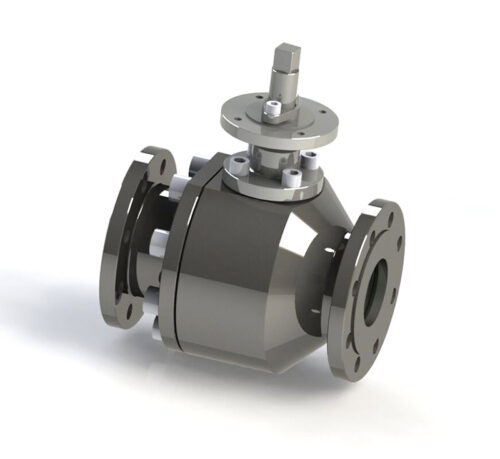
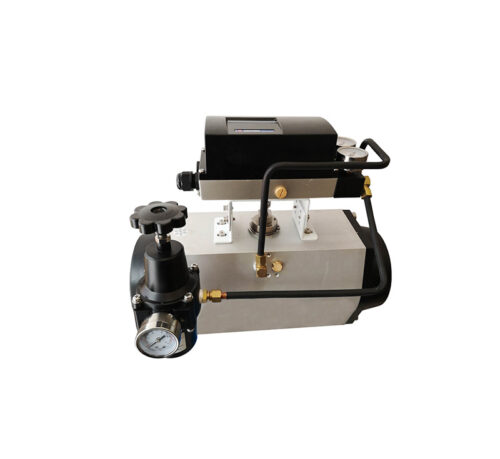
Notably, industrial valve performance depends heavily on surrounding operating conditions.Furthermore, ambient temperature ranks among the most critical factors for reliable function.Specifically, for marine and offshore applications, this parameter demands special attention.Undoubtedly, extreme heat or cold can compromise actuator response and overall system safety.Therefore, engineers and procurement teams must understand temperature limits before selection.Accordingly, this guide explores key temperature considerations for valve actuation systems.Ultimately, proper temperature matching extends equipment life and reduces maintenance costs.
Understanding Hydraulic Actuator Temperature Ratings
Importantly, every valve actuation system comes with defined temperature boundaries.Additionally, these specifications come from extensive testing and material science research.Typically, manufacturers publish minimum and maximum ratings for each product line.Unfortunately, beyond these limits, components may degrade or fail unexpectedly.
Generally, standard ratings range from -20°C to +80°C for most commercial models.Meanwhile, specialized versions extend these ranges for harsh environment applications.Consequently, proper selection ensures long service life and reduces unexpected downtime.Moreover, temperature ratings also affect warranty coverage and certification validity.
Minimum Ambient Temperature Challenges
Clearly, cold environments present unique challenges for fluid power systems.Predictably, as temperatures drop, hydraulic fluid viscosity increases significantly.Thus, thicker fluid requires more energy to move through lines and valves.Occasionally, flow restriction can cause slow or incomplete actuation cycles in extreme conditions.Similarly, seal materials also harden at lower temperatures, risking potential leaks.
Correspondingly, metal components contract, which affects precise internal tolerances.For instance, arctic and subsea operations face these conditions on a regular basis.Usually, cold climate ratings often extend down to -40°C or even -60°C.Fortunately, special low-temperature fluids and seal compounds address these issues.
Hence, procurement teams should verify cold start performance data before purchase.Subsequently, winter shutdown and restart procedures also require careful planning.Complementarily, heat tracing systems may supplement insulation in extremely cold locations.
Maximum Ambient Temperature Limits
Equally important, high heat environments create equally demanding performance challenges.Precisely, elevated temperatures thin hydraulic fluid and reduce lubricating properties.As a result, thinner fluid can bypass seals and cause internal leakage problems.Besides, heat also accelerates degradation of elastomer seals and O-rings.Consequently, plastic and composite components may soften or deform under sustained heat.
For example, desert and tropical refinery locations commonly experience these conditions.Ordinarily, standard high-temperature ratings usually stop around 80°C to 100°C.However, high-temperature versions can handle up to 150°C or more with modifications.Accordingly, heat-resistant fluids and specialized sealing materials enable this capability.Additionally, cooling systems may also supplement units in extremely hot installations.Markedly, solar radiation adds significant heat load to outdoor-mounted equipment.Thereby, proper shielding and ventilation help manage these additional thermal loads.
Critical Design Factors for Temperature Resilience
Significantly, several design elements determine temperature performance capabilities.First and foremost, fluid compatibility represents the foundation of reliable temperature operation.In general, synthetic hydraulic fluids offer wider temperature ranges than mineral oils.Likewise, seal material selection plays an equally important role in system longevity.
To illustrate, nitrile seals work well for moderate temperatures across most applications.On the other hand, FKM and silicone seals provide better performance at extreme temperatures.Besides, metal component selection also matters for thermal expansion compatibility.Specifically, stainless steel and bronze alloys maintain dimensional stability better.Interestingly, pressure ratings can change with temperature, so engineers must account for this.
Therefore, proper sizing ensures adequate torque output across the full temperature span.Further, mounting orientation and enclosure design also influence heat dissipation.Finally, breathers and drains prevent condensation from temperature cycling effects.
Selecting Hydraulic Actuators for Extreme Environments
Importantly, procurement decisions require careful matching of specifications to conditions.First, start by identifying the actual minimum and maximum site temperatures.Additionally, include both average values and potential extreme peak conditions.Moreover, consider startup scenarios, which often present the coldest operating state.
Then, review fluid type recommendations from the manufacturer’s documentation.Next, verify seal compatibility with both temperature range and process media.Subsequently, request performance curves that show output across the temperature spectrum.Meanwhile, look for third-party certifications that validate temperature performance claims.
Also, consider lifecycle costs, not just initial purchase price of the equipment.Furthermore, consult with application engineers for complex or unusual operating conditions.Separately, marine and offshore standards add requirements beyond basic ratings.Finally, classification society approvals provide additional assurance of quality.
Practical Recommendations for Procurement Teams
First and foremost, document all site environmental conditions in detail before sourcing.Specifically, include seasonal variations and historical extreme temperature records.Next, identify any process heat that might transfer to the actuator body.Then, compare these values against published manufacturer specifications.
Importantly, always build in a safety margin beyond the expected operating extremes.Notably, request detailed technical datasheets rather than relying on marketing claims.Likewise, ask for reference projects with similar environmental profiles to yours.Also, consider total cost of ownership, including maintenance and replacement parts.
Moreover, work with suppliers who offer technical support throughout the project lifecycle.Ultimately, verify that selected units meet all relevant industry standards and certifications.
निष्कर्ष
In summary, temperature resilience directly impacts valve system reliability and safety.Thus, proper selection prevents unexpected failures and reduces downtime costs.Clearly, both cold and hot extremes create distinct challenges for fluid power systems.
Encouragingly, material science and fluid technology continue to expand performance boundaries.Therefore, procurement teams that understand these factors make better investment decisions.Furthermore, working with experienced suppliers ensures optimal matching for each application.
Ultimately, the right temperature rating protects both equipment and operational continuity.In conclusion, careful specification today prevents costly operational problems tomorrow.