
What is the difference between air-over-oil and electro-hydraulic actuators?
2026-06-12 ब्लॉग
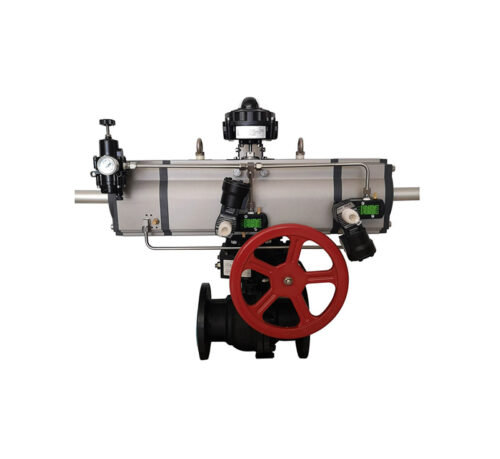
Air-over-oil and electro-hydraulic actuators are both widely used in industrial applications, but they differ significantly in their operating principles and performance characteristics. Understanding these differences is crucial for selecting the right actuator for specific tasks. This article explores the key distinctions between air-over-oil and electro-hydraulic actuators, helping professionals make informed decisions for their projects.
Operating Principle
Air-over-oil actuators use compressed air to generate motion, with oil as a damping medium. They are known for their simplicity and reliability. In contrast, electro-hydraulic actuators combine electrical systems with hydraulic power. They offer higher precision and control, making them suitable for complex applications. The choice between the two depends on the specific requirements of the task at hand.
Performance Characteristics
Air-over-oil actuators provide smooth and consistent motion, but their speed and force are limited. Electro-hydraulic actuators, however, can deliver higher speeds and forces with greater accuracy. This makes them ideal for heavy-duty applications where precise control is essential. The performance difference is noticeable in tasks requiring high torque or rapid response times.
Efficiency and Maintenance
Air-over-oil actuators are generally more energy-efficient, especially in low-power applications. They also require less maintenance due to their simpler design. Electro-hydraulic actuators, while more powerful, consume more energy and need regular servicing. The maintenance requirements should be considered when selecting the right actuator for a project.
Cost and Application
The cost of air-over-oil actuators is typically lower than that of electro-hydraulic actuators. This makes them a popular choice for budget-conscious projects. Electro-hydraulic actuators, on the other hand, are more expensive but offer superior performance. The application environment and budget constraints play a significant role in the decision-making process.
Environmental Considerations
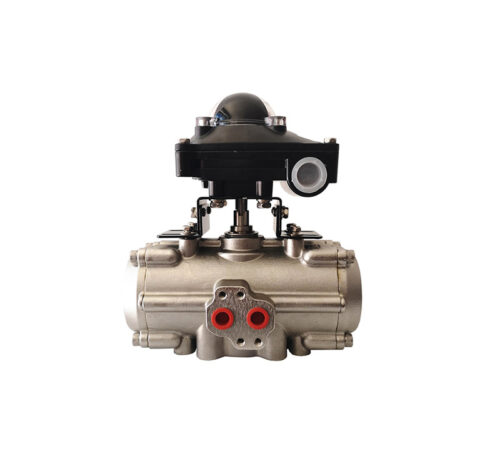
Air-over-oil actuators are environmentally friendly, as they do not use hydraulic fluid. This reduces the risk of leaks and contamination. Electro-hydraulic actuators, while effective, require hydraulic fluid, which can pose environmental risks if not handled properly. The environmental impact should be a key factor in the selection process.
In conclusion, both air-over-oil and electro-hydraulic actuators have their unique advantages and limitations. The right choice depends on the specific needs of the application, including performance requirements, efficiency, cost, and environmental considerations. Selecting the appropriate actuator ensures optimal performance and long-term reliability for industrial projects.
हमसे संपर्क करें
Interested in our Actuator? Reach out anytime via. Email: william@wxaccton.com. We eagerly await your contact!
हमसे संपर्क करें
पता: कमरा 203-1, दूसरी मंजिल, ब्लॉक A, संख्या 9, शिनचिन रोड, शिनवू जिला, वूशी शहर, जियांगसु प्रांत, पी.आर. चीन
मोबाइल:0086-188-5271-7918
Email:william@wxaccton.com
वेबसाइट:www.actuator-china.com