
What factors affect the working efficiency of pneumatic actuators?
2026-08-03 ब्लॉग
What Factors Affect the Working Efficiency of Pneumatic Actuators?
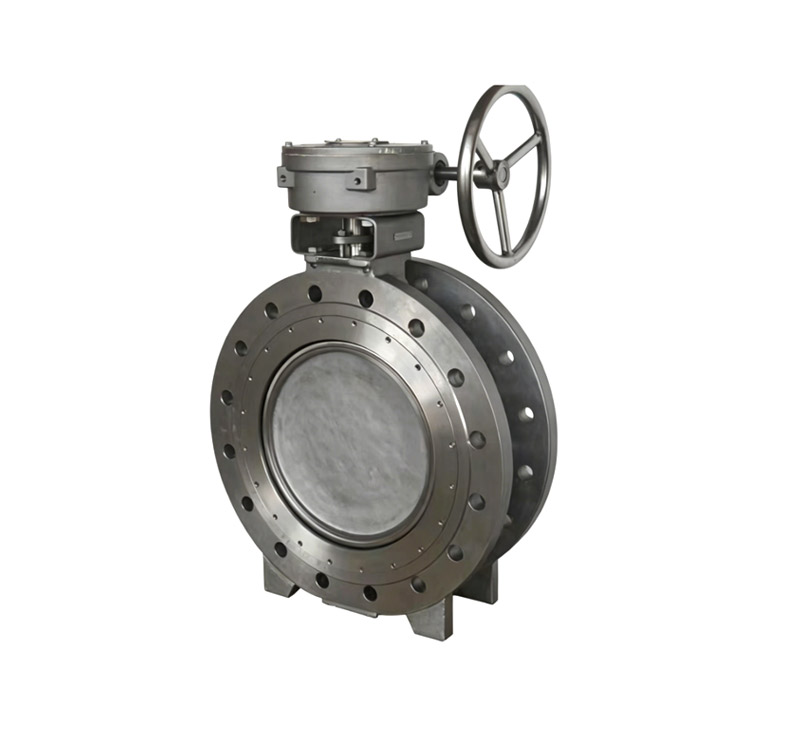
Pneumatic actuators serve as core components across modern industrial fluid control systems. They convert compressed air energy into precise linear or rotary motion for valve operation. In oil refining, chemical processing, water treatment and other sectors, their working efficiency directly impacts production stability and operational costs. Even minor efficiency drops can lead to slower response times, higher energy waste and unexpected downtime. For this reason, plant managers and procurement specialists carefully examine performance factors when selecting actuator solutions. This article breaks down six key elements that shape how well pneumatic actuators perform in real industrial settings.
Air Supply Quality and Pressure Stability
First of all, compressed air quality stands as the most fundamental efficiency driver for pneumatic actuators. Clean, dry and properly pressurized air ensures smooth internal movement and consistent force output. Conversely, moisture, dust or oil contaminants gradually wear seals, clog ports and cause erratic stroke behavior. Similarly, unstable supply pressure weakens torque delivery and extends valve response cycles. Most industrial specifications recommend a pressure range between 0.4 and 0.7 MPa for standard operation. Additionally, installing filters, regulators and lubricators near the actuator inlet preserves long-term performance reliability.
Internal Friction and Sealing Performance
Secondly, internal friction levels directly influence how efficiently pneumatic actuators convert air pressure into motion. Well-designed piston and rod seals create minimal drag while maintaining zero leakage across full stroke cycles. On the other hand, hardened or misaligned seals increase friction and reduce effective output force noticeably. Over extended service periods, worn packing and O-rings allow internal air bypass that wastes energy. For this reason, reputable manufacturers select premium seal materials suited to specific temperature and media conditions. Regular inspection of seal integrity therefore remains a cost-effective way to sustain high working efficiency.
Valve Load and Torque Matching
Furthermore, proper matching between actuator output and valve load determines real-world working efficiency. Every valve requires a specific breakaway torque and running torque during opening and closing. If the pneumatic actuator provides insufficient force, the valve may stall mid-stroke or operate at reduced speed. Conversely, grossly oversized actuators waste compressed air and accelerate mechanical wear on valve stems. Consequently, engineers calculate safety factors of 25 to 50 percent above maximum required torque during selection. This balanced approach guarantees reliable operation without sacrificing energy efficiency or component lifespan.
Ambient Temperature and Working Medium
In addition, ambient temperature and process medium characteristics affect pneumatic actuator efficiency in measurable ways. Extreme cold thickens internal lubricants and increases sliding friction within the cylinder chamber. Similarly, high-temperature environments accelerate seal degradation and can alter material dimensional stability. Corrosive or explosive atmospheres also demand specialized housing materials and certified protection ratings. For example, low-temperature models use specialized greases that remain fluid below minus 40 degrees Celsius. Selecting the correct temperature class therefore preserves consistent efficiency across seasonal and site-specific conditions.
Installation Accuracy and Alignment
Moreover, proper mounting and alignment play surprisingly large roles in long-term pneumatic actuator performance. A misaligned actuator introduces lateral stress on the valve stem and piston rod. This side loading raises friction, accelerates seal wear and eventually causes premature component failure. Similarly, incorrectly installed mounting brackets create binding points that reduce effective stroke and waste input energy. For this reason, installation technicians follow strict alignment procedures and verify free movement before commissioning. Correct coupling and bracket selection also contribute to smoother operation and higher overall working efficiency.
Maintenance and Lubrication Practices
Finally, routine maintenance and proper lubrication sustain pneumatic actuator efficiency throughout its service life. Without periodic inspection, accumulated debris and dried lubricant gradually increase internal resistance. Regular cleaning of air filters prevents pressure drop at the supply inlet and preserves consistent actuation speed. Additionally, applying compatible lubricant at recommended intervals keeps piston seals flexible and reduces sliding friction. Plants that follow scheduled maintenance programs typically report 30 percent longer actuator service life and fewer unplanned shutdowns. In short, proactive care protects both initial investment and ongoing operational efficiency.
निष्कर्ष
To summarize, working efficiency of pneumatic actuators depends on a combination of interconnected technical and operational factors. Air quality, internal friction, load matching, temperature conditions, installation precision and maintenance practices all shape real-world performance. Procurement managers and engineering teams should evaluate these elements holistically when specifying actuators for industrial projects. Choosing appropriately sized, well-sealed units and implementing consistent maintenance routines delivers the best long-term value. For industrial facilities, this approach translates into lower energy consumption, fewer failures and more reliable fluid control across production systems.
हमसे संपर्क करें
पता: कमरा 203-1, दूसरी मंजिल, ब्लॉक A, संख्या 9, शिनचिन रोड, शिनवू जिला, वूशी शहर, जियांगसु प्रांत, पी.आर. चीन
मोबाइल:0086-188-5271-7918
Email:william@wxaccton.com
वेबसाइट:www.actuator-china.com