
What causes hydraulic fluid leakage in electro-hydraulic actuators?
2026-06-11 ब्लॉग
Hydraulic fluid leakage in electro-hydraulic actuators can be a significant issue for industrial operations. Understanding the causes is essential for maintaining system integrity and performance. This article explores the primary factors contributing to leaks in these critical components. Proper maintenance and inspection are vital to prevent such occurrences. Early detection of potential problems can save costs and downtime. Industrial equipment reliability heavily depends on the condition of hydraulic systems. Leaks can lead to reduced efficiency and potential safety hazards. Several factors must be considered when diagnosing leakage issues. The following sections detail these causes and their implications for operational safety and efficiency.
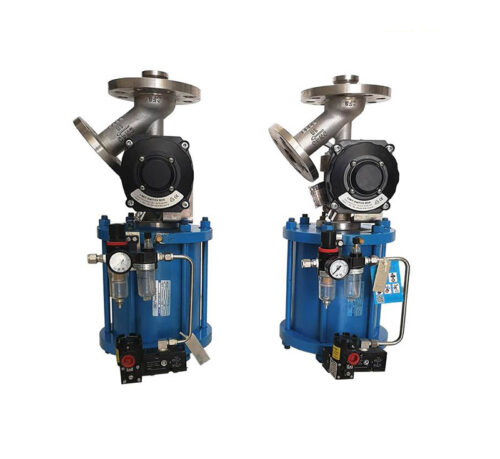
Material Compatibility Issues
Material compatibility plays a crucial role in hydraulic systems. Incompatible materials can lead to corrosion and deterioration over time. The hydraulic fluid itself can degrade certain materials, causing cracks or holes. Proper material selection is essential to prevent such issues. Components must be made from materials that resist chemical attack from the fluid. Regular material testing ensures long-term compatibility. Industrial standards often dictate acceptable material pairs for hydraulic applications. Adhering to these standards minimizes the risk of leaks. Material degradation is a common cause of leakage in electro-hydraulic actuators.
seals and Gaskets Wear
Seals and gaskets are critical components in preventing fluid leaks. These parts can wear out due to friction and pressure. Over time, seals may lose their elasticity, leading to gaps. Gaskets can also crack or deform under excessive stress. Regular inspection of these parts is necessary. Replacing worn seals and gaskets promptly prevents major leaks. The quality of seals greatly affects system performance. High-grade materials ensure better durability and resistance. Industrial equipment often requires specialized seals for hydraulic systems. Proper installation of seals and gaskets is equally important. Incorrect installation can cause immediate leaks or premature failure.
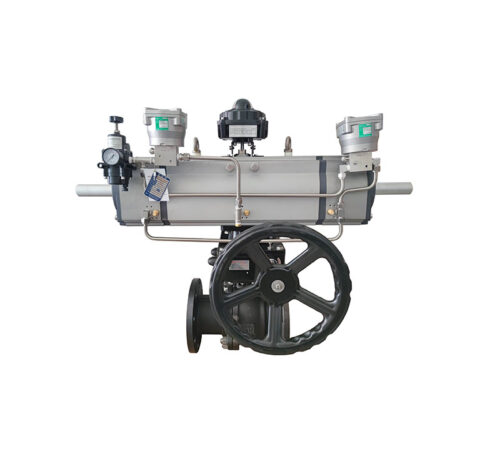
Pressure Exceeding Limits
Pressure fluctuations can cause hydraulic fluid leakage. When pressure exceeds the design limits, seals and hoses may fail. Overpressurization can lead to catastrophic system failure. Pressure relief valves must be functioning correctly to prevent this. Regular pressure checks ensure system safety. Excessive pressure is a common cause of leaks in electro-hydraulic actuators. Proper system design accounts for expected pressure spikes. Industrial operations must monitor pressure regularly. Understanding the normal operating range helps avoid overloading the system. Preventative measures can mitigate the risk of pressure-related leaks.
Poor Assembly and Installation
Improper assembly and installation can lead to leaks. Incorrectly tightened bolts or misaligned components create weak points. The hydraulic fluid can seep through these vulnerabilities. Following manufacturer guidelines is essential for proper assembly. Trained technicians should handle installation tasks. Poor assembly is a preventable cause of leakage. Quality control measures ensure proper installation. Industrial equipment often requires meticulous assembly. Regular audits of installation processes improve reliability. Preventing leaks starts with proper assembly techniques.
Environmental Factors
Environmental conditions significantly impact hydraulic systems. Extreme temperatures can affect fluid viscosity and material integrity. Corrosion can accelerate in harsh environments. UV exposure can degrade rubber components. Protective measures must be taken to mitigate these effects. Industrial facilities must consider environmental factors in system design. Climate control can extend the life of hydraulic components. Regular maintenance adapts to environmental changes. Understanding these factors helps prevent leaks caused by external conditions. Proper system design accounts for environmental stressors.
In conclusion, hydraulic fluid leakage in electro-hydraulic actuators results from multiple causes. Material compatibility, seal wear, pressure issues, poor installation, and environmental factors all contribute to leaks. Preventative maintenance and proper system design are key to minimizing these risks. Industrial operations must prioritize regular inspections and quality control. Early detection of potential problems saves costs and improves safety. By addressing these causes, businesses can ensure reliable and efficient hydraulic systems. Investing in quality components and skilled personnel pays off in the long run. Proper care extends the lifespan of hydraulic equipment. Ultimately, understanding these causes helps maintain optimal performance and safety in industrial applications.
हमसे संपर्क करें
हमारे एक्ट्यूएटर में रुचि है? ईमेल के माध्यम से कभी भी संपर्क करें: william@wxaccton.com. हम उत्सुकता से आपके संपर्क का इंतजार कर रहे हैं!
हमसे संपर्क करें
पता: कमरा 203-1, दूसरी मंजिल, ब्लॉक A, संख्या 9, शिनचिन रोड, शिनवू जिला, वूशी शहर, जियांगसु प्रांत, पी.आर. चीन
मोबाइल:0086-188-5271-7918
Email:william@wxaccton.com
वेबसाइट:www.actuator-china.com