
क्या स्कॉच योके एक्ट्यूएटर रैक और पिनियन की तुलना में अधिक प्रारंभिक टॉर्क प्रदान करता है?
2026-06-23 ब्लॉग
The Scotch Yoke actuator and rack and pinion are both popular choices for linear motion applications. Many industries, such as oil and gas, petrochemicals, and manufacturing, evaluate these options to determine the best fit for their needs. A key consideration is whether the Scotch Yoke actuator provides higher starting torque than the rack and pinion. This article explores the technical differences and performance characteristics of both systems to offer a clear comparison.
स्कॉच योके एक्ट्यूएटर की समझ
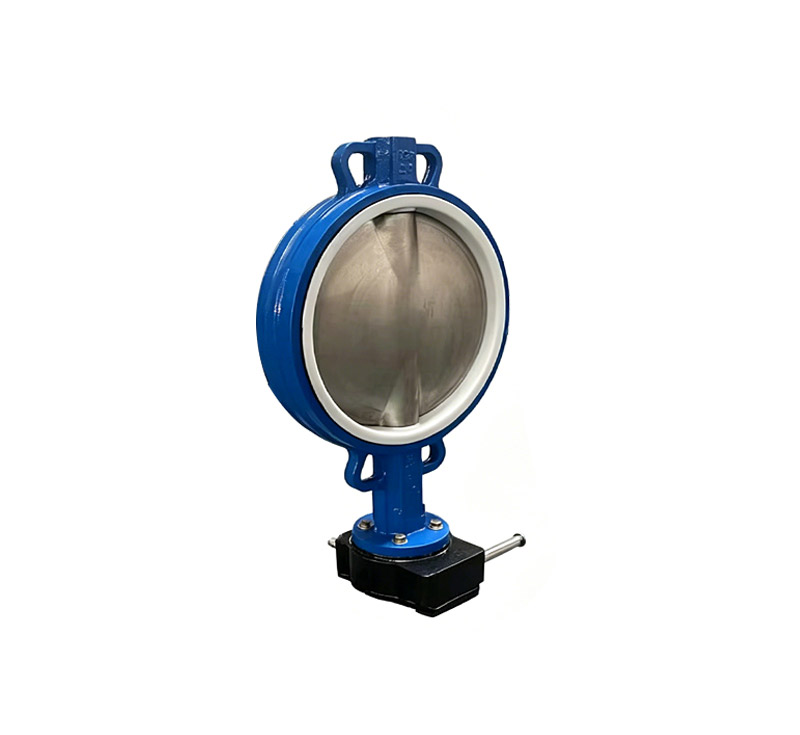
The Scotch Yoke actuator converts rotational motion into linear motion. Its design features a yoke that moves back and forth within a circular path, translating this movement into a straight-line motion. This mechanism is particularly efficient in applications requiring high precision and rapid movement. The design allows for smooth operation and minimal wear, making it suitable for demanding industrial environments. Its compact form factor also enhances its versatility in space-constrained installations.
Exploring the Rack and Pinion System
The rack and pinion system is another widely used solution for linear motion. It consists of a pinion gear that meshes with a linear rack, converting rotational motion into forward or backward movement. This system is known for its simplicity and reliability. It can handle heavy loads and is often used in automotive and industrial applications. The rack and pinion system is also cost-effective, making it a preferred choice for many projects.
Starting Torque Comparison
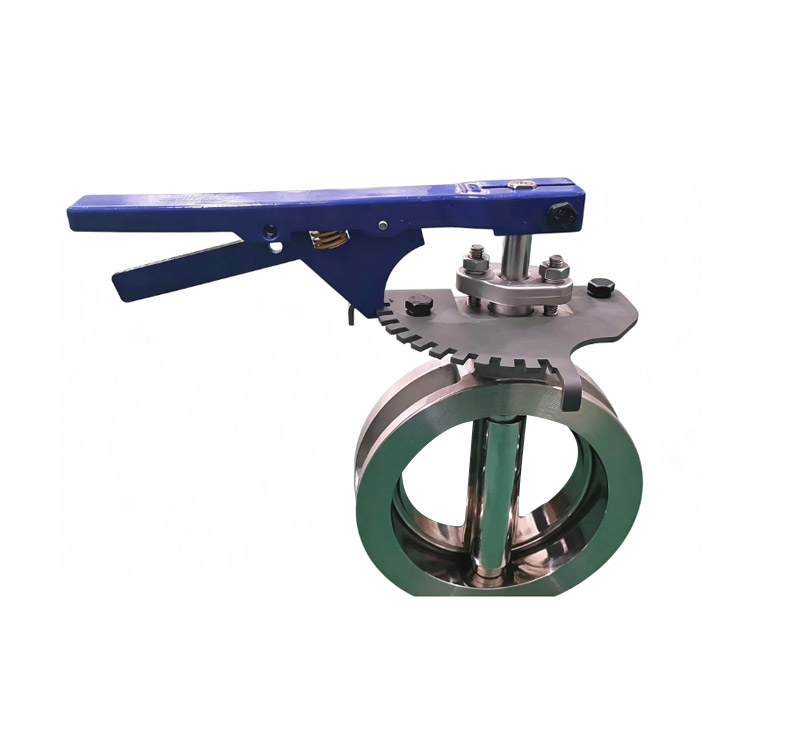
One of the primary concerns when comparing these two systems is starting torque. The Scotch Yoke actuator typically offers higher starting torque due to its unique design. The yoke’s circular path allows for continuous engagement, reducing resistance during startup. In contrast, the rack and pinion system may experience more friction at the beginning of motion. This difference makes the Scotch Yoke actuator more suitable for applications requiring immediate and powerful movement.
Performance in Industrial Applications
Both systems perform well in industrial settings, but their strengths vary. The Scotch Yoke actuator excels in applications requiring high-speed and high-torque operations. Its design minimizes backlash and ensures precise positioning. The rack and pinion system, while less powerful, is excellent for applications needing smooth, continuous linear motion. Its durability and ease of maintenance make it a reliable choice for many industries.
Considerations for Selection
When choosing between a Scotch Yoke actuator and a rack and pinion system, several factors must be considered. The required torque, speed, and load capacity are critical. Space availability and budget constraints also play a role. Industries such as oil and gas, petrochemicals, and manufacturing often prioritize performance and reliability. The Scotch Yoke actuator may be the better choice for high-torque applications, while the rack and pinion system is more cost-effective for lighter loads.
निष्कर्ष
In summary, the Scotch Yoke actuator generally provides higher starting torque than the rack and pinion system. Its design offers advantages in high-speed and high-torque applications. However, the rack and pinion system remains a reliable and cost-effective option for many industries. The best choice depends on specific project requirements and operational needs. By understanding the differences, businesses can make informed decisions to optimize their linear motion systems.
हमसे संपर्क करें
पता: कमरा 203-1, दूसरी मंजिल, ब्लॉक A, संख्या 9, शिनचिन रोड, शिनवू जिला, वूशी शहर, जियांगसु प्रांत, पी.आर. चीन
मोबाइल:0086-188-5271-7918
Email:william@wxaccton.com
वेबसाइट:www.actuator-china.com