
क्या एक्ट्यूएटर का उपयोग खाद्य या फार्मास्यूटिकल उद्योगों में किया जा सकता है?
2026-07-15 ब्लॉग
खाद्य और औषधि उद्योगों में अपनी प्रक्रियाओं में उपयोग किए जाने वाले उपकरणों के लिए कड़े मानक होते हैं। द्रव नियंत्रण प्रणालियों में महत्वपूर्ण घटक के रूप में एक्ट्यूएटर्स को सुरक्षा और अनुपालन सुनिश्चित करने के लिए विशिष्ट मानकों को पूरा करना आवश्यक है। यह लेख इन उद्योगों में एक्ट्यूएटर्स के उपयोग की संभावनाओं का पता लगाता है, साथ ही संबंधित विचारों और प्रमाणपत्रों पर प्रकाश डालता है।.
खाद्य एवं औषधि उद्योगों के लिए एक्ट्यूएटर आवश्यकताएँ
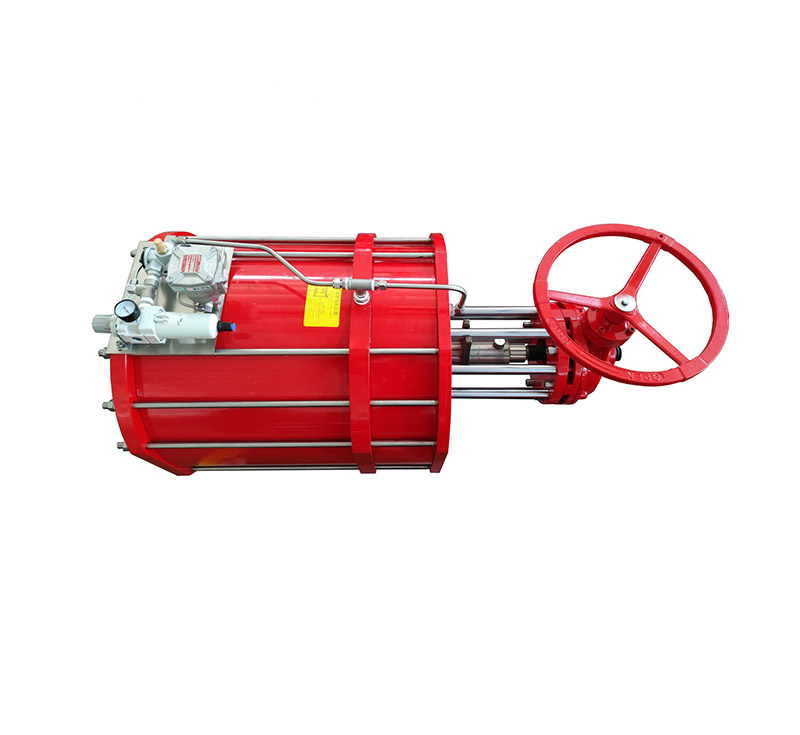
खाद्य और औषधि क्षेत्रों में उपयोग किए जाने वाले एक्ट्यूएटर्स को ऐसे पदार्थों से निर्मित किया जाना चाहिए जो उत्पादों को दूषित न करें। स्टेनलेस स्टील और फूड-ग्रेड प्लास्टिक का उपयोग उनके जंग प्रतिरोध और गैर-प्रतिक्रियाशील गुणों के कारण आम तौर पर किया जाता है। इसके अतिरिक्त, इन एक्ट्यूएटर्स को स्वच्छता और हाइजीन मानकों के अनुरूप डिज़ाइन किया जाना चाहिए। FDA अनुमोदन या ISO 13485 जैसी प्रमाणपत्र अक्सर आवश्यक होते हैं। ये प्रमाणपत्र सुनिश्चित करते हैं कि एक्ट्यूएटर्स उत्पादों में हानिकारक पदार्थ नहीं मिलाते।.
स्वच्छ अनुप्रयोगों के लिए सामग्री चयन
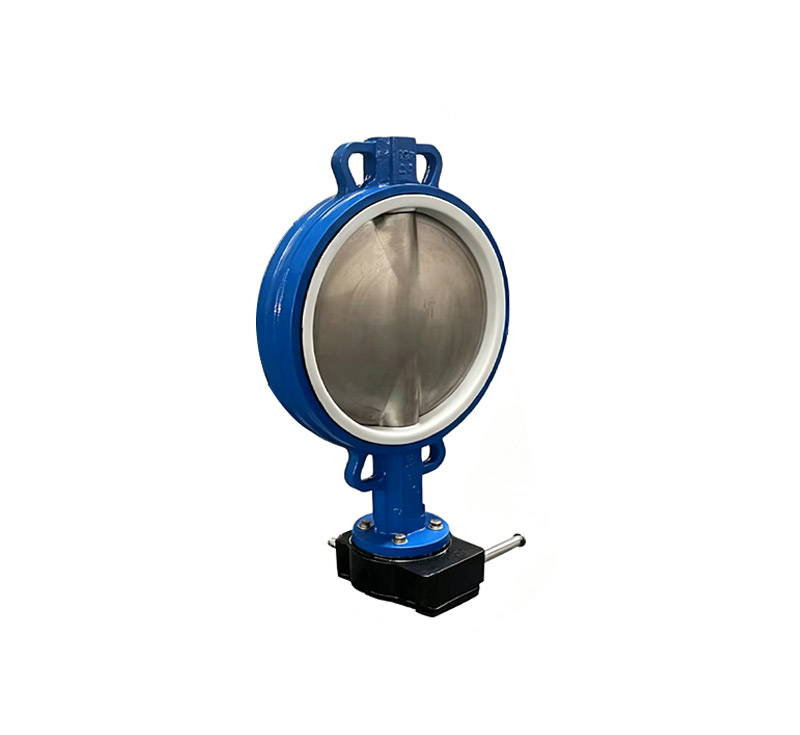
खाद्य और फार्मास्यूटिकल उद्योगों में एक्ट्यूएटर्स के लिए सामग्री का चयन अत्यंत महत्वपूर्ण है। स्टेनलेस स्टील के एक्ट्यूएटर्स इसलिए प्राथमिकता में हैं क्योंकि वे उच्च सफाई तापमान सहन कर सकते हैं और उन्हें कीटाणुरहित करना आसान होता है। फूड-ग्रेड प्लास्टिक एक अन्य विकल्प हैं, क्योंकि इनमें बैक्टीरिया पनपते नहीं हैं। दोनों सामग्रियों को उद्योग मानकों को पूरा करने के लिए प्रमाणित होना चाहिए। चयन प्रक्रिया में सामग्रियों की रासायनिक अनुकूलता और यांत्रिक मजबूती का मूल्यांकन शामिल है। यह स्वच्छ अनुप्रयोगों में दीर्घकालिक विश्वसनीयता और सुरक्षा सुनिश्चित करता है।.
उद्योग मानकों का अनुपालन
खाद्य और फार्मास्यूटिकल उद्योगों में उपयोग किए जाने वाले एक्ट्यूएटर्स के लिए उद्योग मानकों का अनुपालन अनिवार्य है। एक्ट्यूएटर्स को संदूषण को रोकने और उत्पाद की अखंडता सुनिश्चित करने के लिए डिज़ाइन किया जाना चाहिए। NSF इंटरनेशनल और cGMP जैसे प्रमाणपत्र व्यापक रूप से मान्यता प्राप्त हैं। ये प्रमाणपत्र यह सत्यापित करते हैं कि एक्ट्यूएटर्स इन उद्योगों की कड़ी आवश्यकताओं को पूरा करते हैं। ऑडिट के दौरान अनुपालन साबित करने के लिए कंपनियों को दस्तावेज़ प्रदान करने होते हैं। यह दस्तावेज़ नियामक अनुपालन और ग्राहक विश्वास बनाए रखने के लिए आवश्यक है।.
सफाई और रखरखाव संबंधी विचार
खाद्य और फार्मास्यूटिकल वातावरण में एक्ट्यूएटर्स को नियमित रूप से साफ करने और रखरखाव की आवश्यकता होती है। डिज़ाइन ऐसा होना चाहिए कि इसे आसानी से अलग किया जा सके और कोई अवशेष पीछे न रह जाए। सूक्ष्मजीवों के विकास को रोकने के लिए चिकनी और गैर-छिद्रपूर्ण सामग्री को प्राथमिकता दी जाती है। नियमित निरीक्षण यह सुनिश्चित करने के लिए आवश्यक हैं कि एक्ट्यूएटर अच्छी स्थिति में बने रहें। डाउनटाइम और संदूषण के जोखिमों को रोकने के लिए रखरखाव अनुसूचियों का सख्ती से पालन किया जाना चाहिए। यह सक्रिय दृष्टिकोण स्वच्छता और सुरक्षा के उच्चतम मानकों को बनाए रखने में मदद करता है।.
निष्कर्ष: खाद्य और औषधि उद्योगों में एक्ट्यूएटर्स की उपयुक्तता
निष्कर्षतः, यदि एक्ट्यूएटर विशिष्ट आवश्यकताओं को पूरा करते हैं तो उनका उपयोग खाद्य और फार्मास्यूटिकल उद्योगों में किया जा सकता है। सामग्री का चयन, मानकों का अनुपालन, और उचित रखरखाव प्रमुख विचार हैं। कंपनियों को उच्च-गुणवत्ता वाले एक्ट्यूएटर्स में निवेश करना चाहिए जो स्वच्छ अनुप्रयोगों के लिए प्रमाणित हों। ऐसा करके, वे अपने उत्पादों की सुरक्षा और गुणवत्ता सुनिश्चित कर सकते हैं। सही एक्ट्यूएटर्स का चयन एक महत्वपूर्ण निर्णय है जो इन उद्योगों में संचालन की समग्र सफलता को प्रभावित करता है। सही निवेश दीर्घकालिक लाभ और नियामक अनुपालन की ओर ले जाता है।.
कीवर्ड: एक्ट्यूएटर, खाद्य और फार्मास्यूटिकल उद्योग, स्टेनलेस स्टील, फूड-ग्रेड प्लास्टिक, एफडीए अनुमोदन, आईएसओ 13485, एनएसएफ इंटरनेशनल, सीजीएमपी, स्वच्छता मानक, सामग्री चयन, अनुपालन, सफाई, रखरखाव
हमसे संपर्क करें
पता: कमरा 203-1, दूसरी मंजिल, ब्लॉक A, संख्या 9, शिनचिन रोड, शिनवू जिला, वूशी शहर, जियांगसु प्रांत, पी.आर. चीन
मोबाइल:0086-188-5271-7918
Email:william@wxaccton.com
वेबसाइट:www.actuator-china.com