
Can Same Hydraulic Actuator Support Fail-open & Fail-closed Modes
2026-06-26 ब्लॉग
Why Fail-safe Modes Matter in Industrial Operations
First, industrial valve systems rely on predictable responses during power loss. For this reason, engineers carefully choose between fail-open and fail-closed configurations. Each mode serves a specific safety purpose across different process environments. Furthermore, the right choice directly protects equipment, personnel, and production continuity.
In practice, fail-open valves release pressure or allow fluid to bypass system blocks. By contrast, fail-closed valves stop flow entirely to prevent spills or contamination. Both approaches follow strict industry standards for process safety. Consequently, procurement teams often ask whether one unit can handle both scenarios.
Can a Single Unit Offer Both Configurations?
In short, yes — but the answer requires careful technical explanation. Most modern actuator designs support field-adjustable fail modes. However, the adjustment usually happens during installation or scheduled maintenance. In other words, you cannot switch modes on the fly during normal operation.
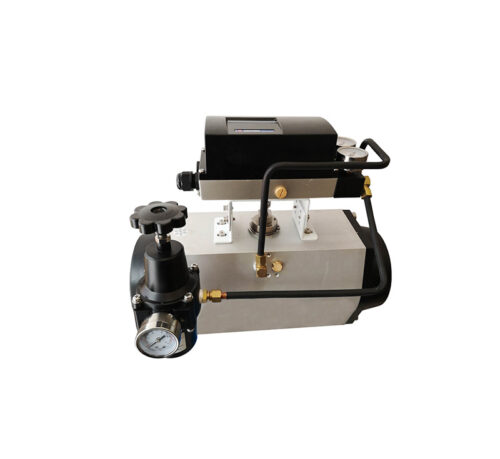
Hydraulic actuator models typically come with a default fail direction set at the factory. Even so, qualified technicians can reconfigure the internal spring or control logic. This process involves changing spring orientation, adjusting pressure paths, or modifying control panel settings. Therefore, the same physical unit can serve either mode after proper setup.
Key Factors That Determine Mode Flexibility
First of all, the actuator type directly impacts how easily you can change fail modes. Spring-return models offer the most straightforward adjustment because you physically reposition springs. On the other hand, weight-loaded or gas-accumulator designs need more extensive modification. Each approach has its own engineering trade-offs.
Secondly, the valve size and torque requirements play a critical role. Larger valves demand stronger return forces, which limits field adjustability. For example, heavy-duty Scotch Yoke units may need factory-level reconfiguration. In contrast, smaller quarter-turn models often allow simpler on-site changes. Always consult the manufacturer before attempting any mode switch.
Thirdly, certification and compliance add another layer of consideration. Safety-rated systems require recertification after any fail-mode change. This step ensures the modified setup still meets SIL or IEC standards. Without proper validation, the system may lose its official safety rating. For this reason, many plant managers prefer factory-configured units from the start.
Practical Implications for Procurement Teams
For procurement professionals, this flexibility brings both advantages and challenges. On the positive side, standardized inventory reduces warehouse complexity. You can stock fewer SKUs while covering multiple application scenarios. This approach also simplifies spare parts management across different plant sites.
However, you must account for installation labor and certification costs. Field configuration adds time and requires trained personnel. In some cases, factory preset modes prove more cost-effective overall. You should also consider lead times for custom configurations versus standard units. Balancing these factors helps optimize total cost of ownership.
Best Practices for Selecting the Right Setup
First, conduct a thorough hazard and operability study for each application. This analysis clearly identifies whether fail-open or fail-closed mode suits the process. From there, you can specify the correct configuration upfront. Early specification avoids costly rework later in the project timeline.
Additionally, work closely with your actuator supplier during the design phase. Reputable manufacturers offer engineering support to match the right mode to each valve. They can also advise on whether field adjustability makes sense for your operation. This collaborative approach ensures both safety and operational efficiency.
Finally, document every fail-mode decision and keep records accessible. Maintenance teams need clear guidelines for future inspections or modifications. Proper documentation also supports regulatory audits and safety reviews. Over time, these records become valuable references for system upgrades or expansions.
Final Thoughts on Fail-mode Flexibility
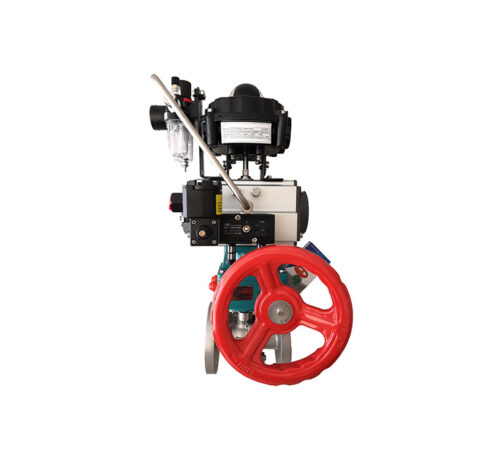
In conclusion, the same hydraulic actuator can indeed support both fail-open and fail-closed modes. That said, the switch requires intentional setup by qualified technicians rather than instant toggling. For most industrial projects, you should define the required fail direction during the design stage. This approach ensures safety, compliance, and optimal performance from day one.
If you need guidance on selecting the right configuration for your application, reach out to experienced manufacturers. They can assess your specific process requirements and recommend the best solution. With proper planning, you get both flexibility and reliability from your valve actuation systems.
हमसे संपर्क करें
पता: कमरा 203-1, दूसरी मंजिल, ब्लॉक A, संख्या 9, शिनचिन रोड, शिनवू जिला, वूशी शहर, जियांगसु प्रांत, पी.आर. चीन
मोबाइल:0086-188-5271-7918
Email:william@wxaccton.com
वेबसाइट:www.actuator-china.com