
न्यूमैटिक-हाइड्रोलिक एक्ट्यूएटर की हिस्टरेसिस क्या है?
2026-06-18 ब्लॉग
The hysteresis of a pneumatic-hydraulic actuator is a critical parameter in industrial applications. Hysteresis refers to the difference between the input and output values of a system during a cyclic process. In pneumatic-hydraulic actuators, this phenomenon is often observed due to the interaction between pneumatic and hydraulic systems. Understanding hysteresis is essential for optimizing performance and ensuring reliability in various industries. This article explores the concept, causes, and implications of hysteresis in pneumatic-hydraulic actuators.
Definition of Hysteresis in Pneumatic-Hydraulic Actuators
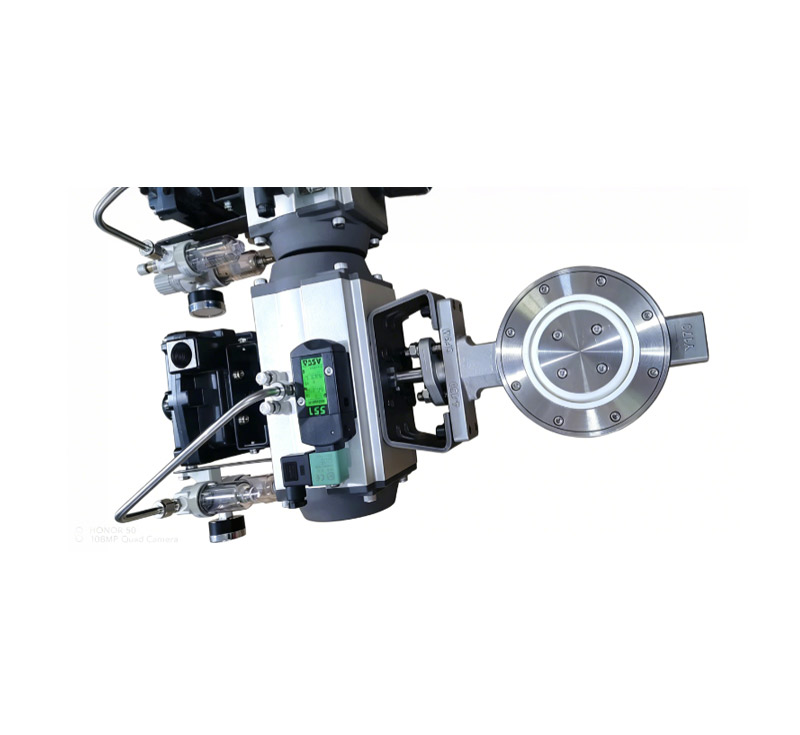
Hysteresis in pneumatic-hydraulic actuators is defined as the lag between input pressure and output displacement. This lag occurs because the pneumatic system and hydraulic system do not respond instantly to changes. The phenomenon is influenced by factors such as fluid viscosity, valve design, and system geometry. Hysteresis can lead to inefficiencies and reduced precision in control applications. Therefore, minimizing hysteresis is crucial for improving overall system performance. Engineers must consider hysteresis when designing and selecting actuators for specific applications.
Causes of Hysteresis
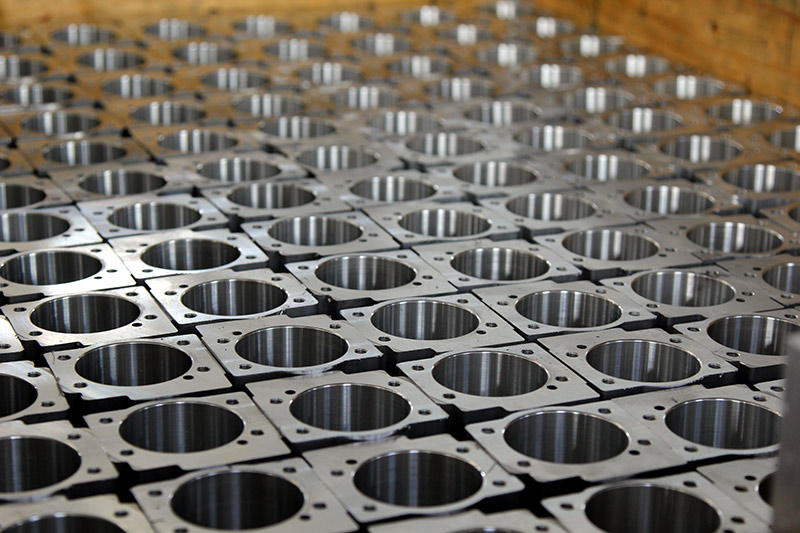
Several factors contribute to hysteresis in pneumatic-hydraulic actuators. One primary cause is the friction between moving components. Valves, pistons, and seals all experience friction, which creates resistance and delays response times. Another factor is the compressibility of the hydraulic fluid. As pressure changes, the fluid takes time to adjust, leading to a delay in output displacement. Additionally, the interaction between pneumatic and hydraulic systems introduces complexity, exacerbating hysteresis. Understanding these causes helps in developing strategies to mitigate hysteresis effects.
Implications of Hysteresis
The implications of hysteresis in pneumatic-hydraulic actuators are significant for industrial operations. Hysteresis can result in reduced accuracy and increased energy consumption. In precision control applications, such as those in manufacturing or robotics, hysteresis can lead to errors and inconsistencies. Moreover, it can decrease the efficiency of the system, requiring more power to achieve the desired output. Recognizing these implications is the first step toward addressing hysteresis and improving system performance. Companies must evaluate the impact of hysteresis when selecting and implementing actuators.
Mitigating Hysteresis Effects
Several methods can be employed to mitigate hysteresis effects in pneumatic-hydraulic actuators. One approach is to use high-quality materials with low friction coefficients. This reduces resistance and improves response times. Another method is to optimize valve design, ensuring smoother fluid flow and reduced pressure drops. Additionally, incorporating advanced control algorithms can help compensate for hysteresis. These algorithms adjust system parameters in real-time, minimizing the lag between input and output. By implementing these strategies, engineers can significantly reduce hysteresis and enhance system performance.
निष्कर्ष और मूल्य प्रस्ताव
In conclusion, hysteresis in pneumatic-hydraulic actuators is a critical consideration for industrial applications. It affects system efficiency, accuracy, and overall performance. Understanding the causes and implications of hysteresis is essential for selecting and designing effective actuators. By employing mitigation strategies, industries can improve precision and reduce energy consumption. For businesses in sectors such as oil and gas, chemical manufacturing, and industrial automation, addressing hysteresis is vital for maintaining competitive edge. Investing in advanced actuator solutions can lead to long-term benefits, including increased reliability and cost savings.
हमसे संपर्क करें
पता: कमरा 203-1, दूसरी मंजिल, ब्लॉक A, संख्या 9, शिनचिन रोड, शिनवू जिला, वूशी शहर, जियांगसु प्रांत, पी.आर. चीन
मोबाइल:0086-188-5271-7918
Email:william@wxaccton.com
वेबसाइट:www.actuator-china.com