
क्या एक्ट्यूएटर को चेक वाल्व या इंटेंसिफायर की आवश्यकता है?
2026-06-17 ब्लॉग
Core Factors to Match Auxiliary Parts for Industrial Fluid Actuation
For cross-industry fluid project buyers, auxiliary part selection raises frequent on-site doubts. This article clarifies check valve and intensifier usage for standard fluid actuation systems. It targets EPC teams and plant supply chain managers for practical component decision-making.
Working Scenarios That Require a Check Valve for Pipeline Stability
First, check valves focus on one-way fluid flow protection in closed piping systems. They block reverse medium flow during sudden system pressure drops. Meanwhile, they lock component position during temporary power downtime.
Chemical and wastewater facilities adopt this setup most frequently. These sites carry viscous liquid or mixed gas-liquid media daily. Reverse flow will damage internal sealing structures of actuation units without valve protection.
Besides, low-pressure static pipeline systems gain extra safety from check valves. They reduce repeated reset work for field maintenance staff. They also cut long-term wear on built-in sealing parts of actuation devices.
Site Conditions That Necessitate a Hydraulic or Pneumatic Intensifier
By contrast, intensifiers serve pressure boosting demands instead of flow control. They amplify inlet fluid pressure to meet high-torque movement requirements. They fit sites with limited on-site utility pressure supply.
Metallurgy, petrochemical and heavy machinery plants rely heavily on intensifiers. Their large-bore pipeline valves need strong driving force for full stroke switching. Standard supplied pressure cannot support stable mechanical movement alone.
Also, remote outdoor skid systems benefit from matched intensifiers. Remote sites lack upgraded central pressure supply stations. Intensifiers avoid costly overall pipeline pressure renovation for local actuation operations.
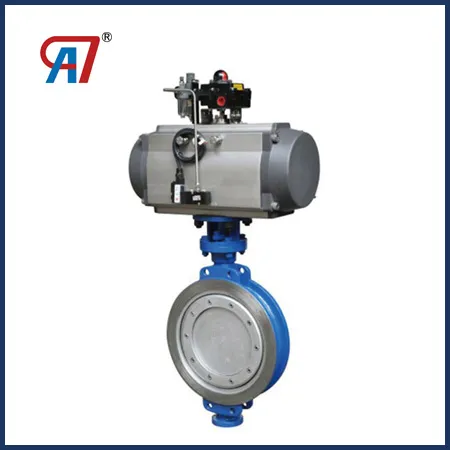
Cost and Lifespan Tradeoffs for Dual Auxiliary Installation
Some complex working conditions need both accessories for dual protection. High-pressure swing valve loops in coal chemical plants fall into this category. The combination balances flow locking and pressure output steadily.
For regular medium-pressure circulation lines, dual installation brings extra cost burden. It increases routine leakage inspection points for on-site operation teams. Procurement teams can omit both parts for preset stable pressure loops.
Qualified integrated control packages simplify this matching work. Professional system vendors pre-configure accessories per medium property and design pressure. This practice lowers on-site assembly error risks greatly.
Final Selection Guidance for Global Industrial Procurement Teams
In summary, part selection depends on three clear site indicators: flow reversibility, inlet pressure grade and medium viscosity. Add a check valve if backflow risks exist in daily pipeline operation. Add an intensifier if onsite driving pressure fails stroke torque standards.
This simple judgment rule shortens component confirmation cycles for EPC bidding projects. It helps purchasing teams control spare part inventory reasonably. It also extends the full-service lifespan of onsite fluid control assemblies.
हमसे संपर्क करें
पता: कमरा 203-1, दूसरी मंजिल, ब्लॉक A, संख्या 9, शिनचिन रोड, शिनवू जिला, वूशी शहर, जियांगसु प्रांत, पी.आर. चीन
मोबाइल:0086-188-5271-7918
Email:william@wxaccton.com
वेबसाइट:www.actuator-china.com